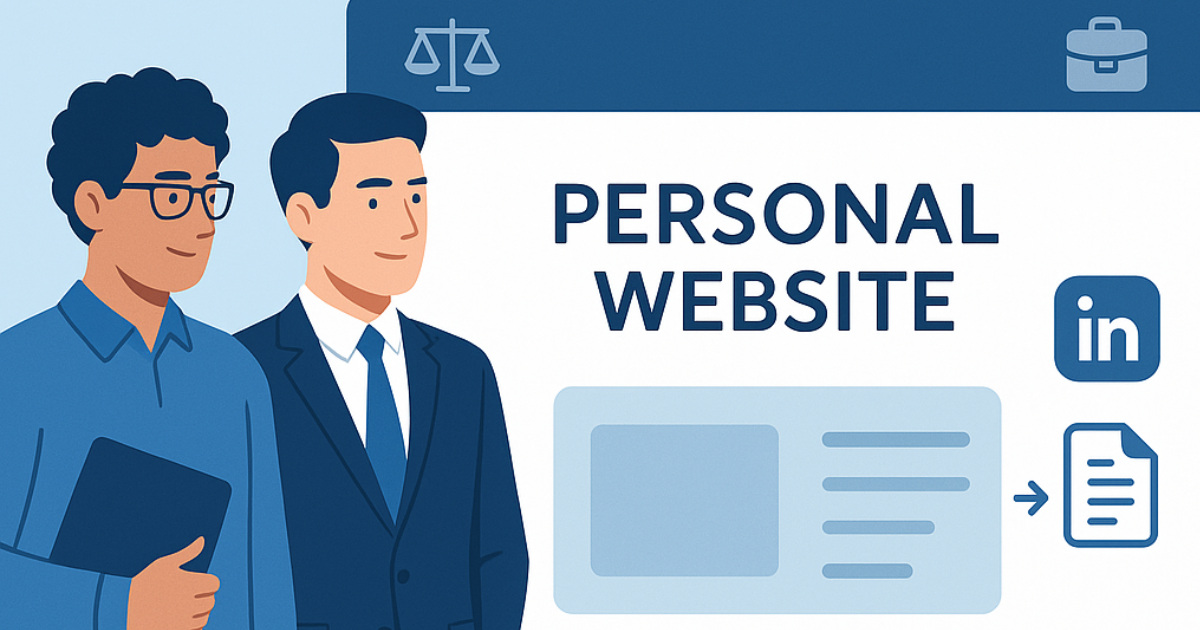
For a lot of professionals, personal branding sounds useful in theory but hard in practice. A website takes time. Writing the copy takes even longer. And if you are a consultant, coach, advisor, or job seeker, it is easy to keep pushing it down the list.
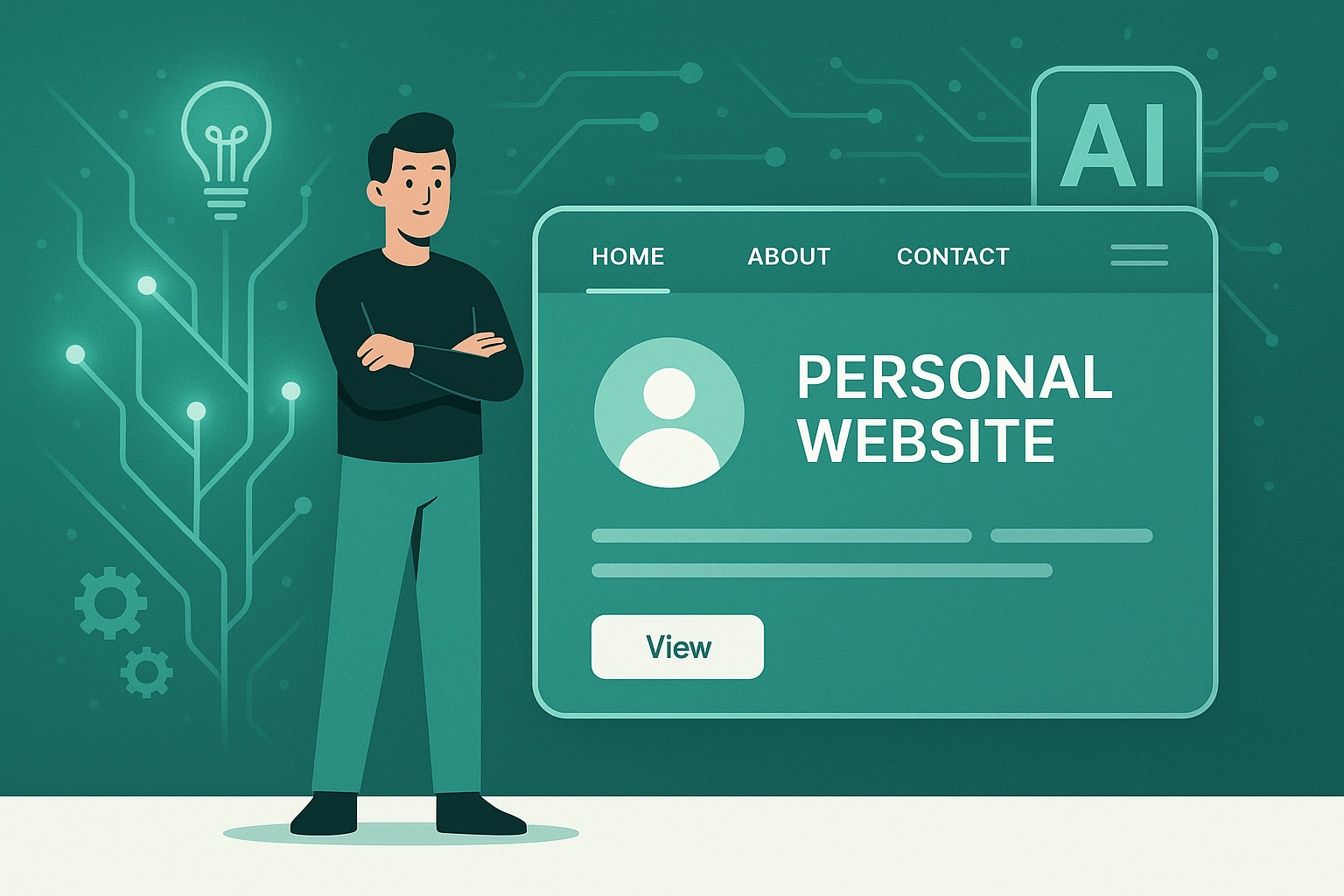
That is why no-code tools matter. They remove the technical barrier. You no longer need to know how to code just to publish a simple website. And now AI is changing the process again by helping people turn existing material, like a LinkedIn profile into a consultant website or resume, into a usable first draft much faster.
Why No-Code Matters for Personal Branding
No-code tools made website creation more accessible. Instead of building pages from scratch, people can now use ready-made layouts, guided editors, and structured sections. That matters because most people building a personal brand do not want to become web designers. They just want a professional place online that explains who they are and what they do.
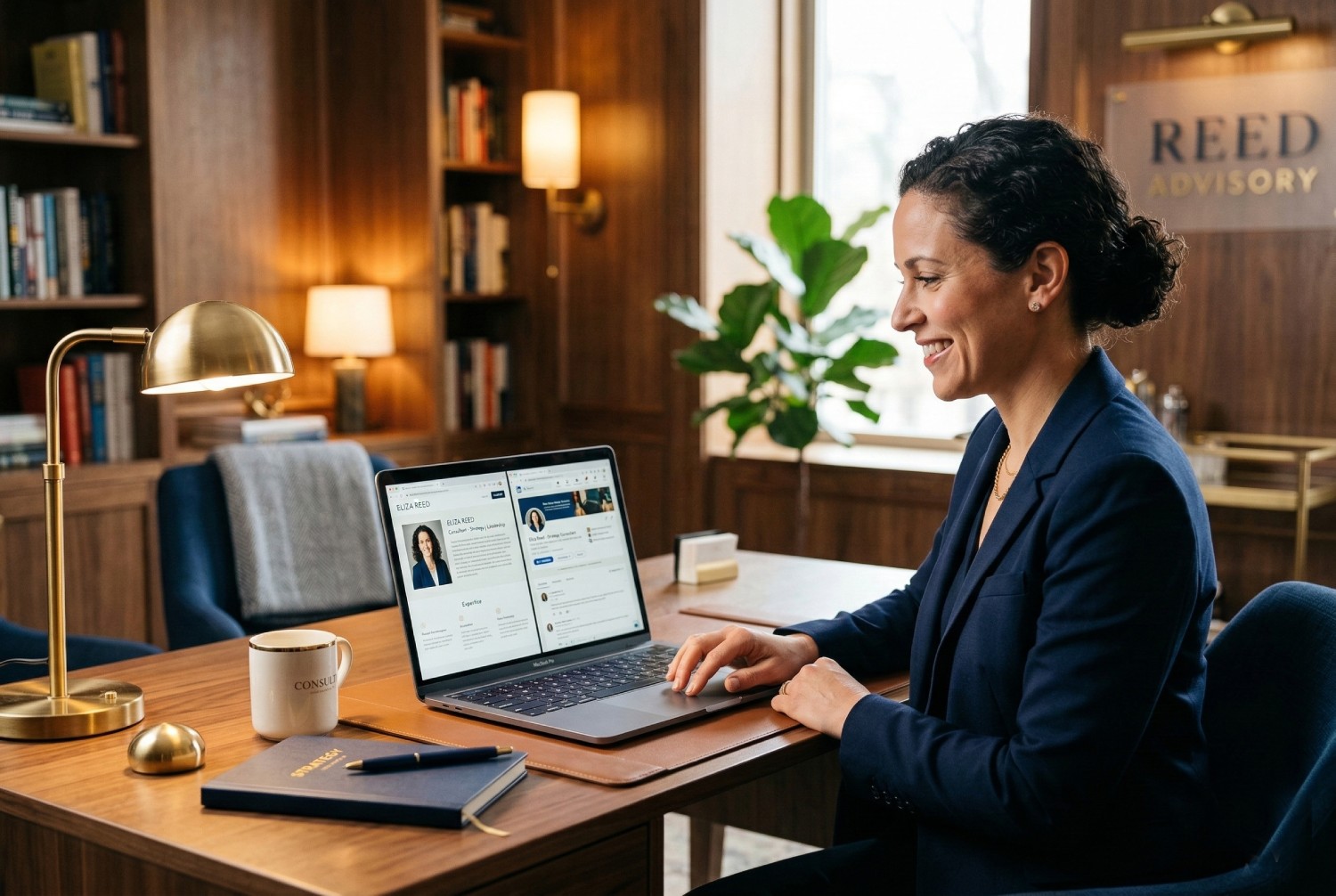
For consultants, coaches, and independent experts, this is especially important. A website built from LinkedIn is often where a prospect goes after a referral, a LinkedIn visit, or a quick search. If that page is missing, unclear, or outdated, the opportunity can fade before a conversation even starts.
How AI Helps Build a Personal Website Faster
No-code removed much of the technical work. AI helps with the next problem, which is getting started with the content.
Many professionals already have useful information spread across LinkedIn, resumes, bios, and project notes. AI can help pull that information together, organize it into sections, and turn it into a draft. That gives people something to edit, instead of forcing them to begin with a blank page.
On platforms like VisePage, this can mean importing a LinkedIn profile and turning it into a website draft with a short introduction, service sections, proof, and a contact path. That first version is not the final version, but it removes a lot of the friction that usually stops people from publishing at all. If you want to see how these sites are structured, you can browse consultant website templates built for service professionals.
Why a Personal Website Still Matters
LinkedIn is useful, but it has limits. The structure is fixed. The layout is not really yours. And it is hard to present your work in the exact order a buyer or recruiter needs to see it.
A personal website gives you more control. You can explain your work clearly, add stronger proof, highlight the right services, and guide visitors toward a next step. That might be a contact form, a booking link, a portfolio page, or a case study.
For personal branding, that difference matters. A website helps you move from being visible to being understandable. This matters even more for people building a management consultant website, an executive coach website, or a fractional CFO website, where trust plays a big role in getting the first conversation.
Where AI Still Needs Human Editing
AI can save time, but it should not be treated as the final voice. The strongest personal websites still need human editing. That means removing generic phrases, adding real examples, and making sure the tone sounds like the person behind the site.
The best use of AI is as a starting point. It helps create structure and momentum. The final credibility still comes from clear thinking, real proof, and honest positioning.
What This Means for Professionals in 2026
The real shift is not just that websites are easier to build. It is that more people can finally build one without turning it into a long side project. That matters for anyone whose work depends on trust, referrals, and a strong first impression.
For consultants, advisors, coaches, and specialists, the gap between having experience and showing that experience online is getting smaller. AI and no-code tools are making personal branding more practical, faster to launch, and easier to maintain. If you are weighing your options, it helps to compare website builders for consultants before choosing a workflow.
Final Thoughts
No-code changed who could build a website. AI is changing how quickly someone can turn their experience into something clear and publishable.
If you have been relying only on LinkedIn, or putting off your personal website because it felt too technical or too time-consuming, this is probably the easiest point it has ever been to start.
.png)